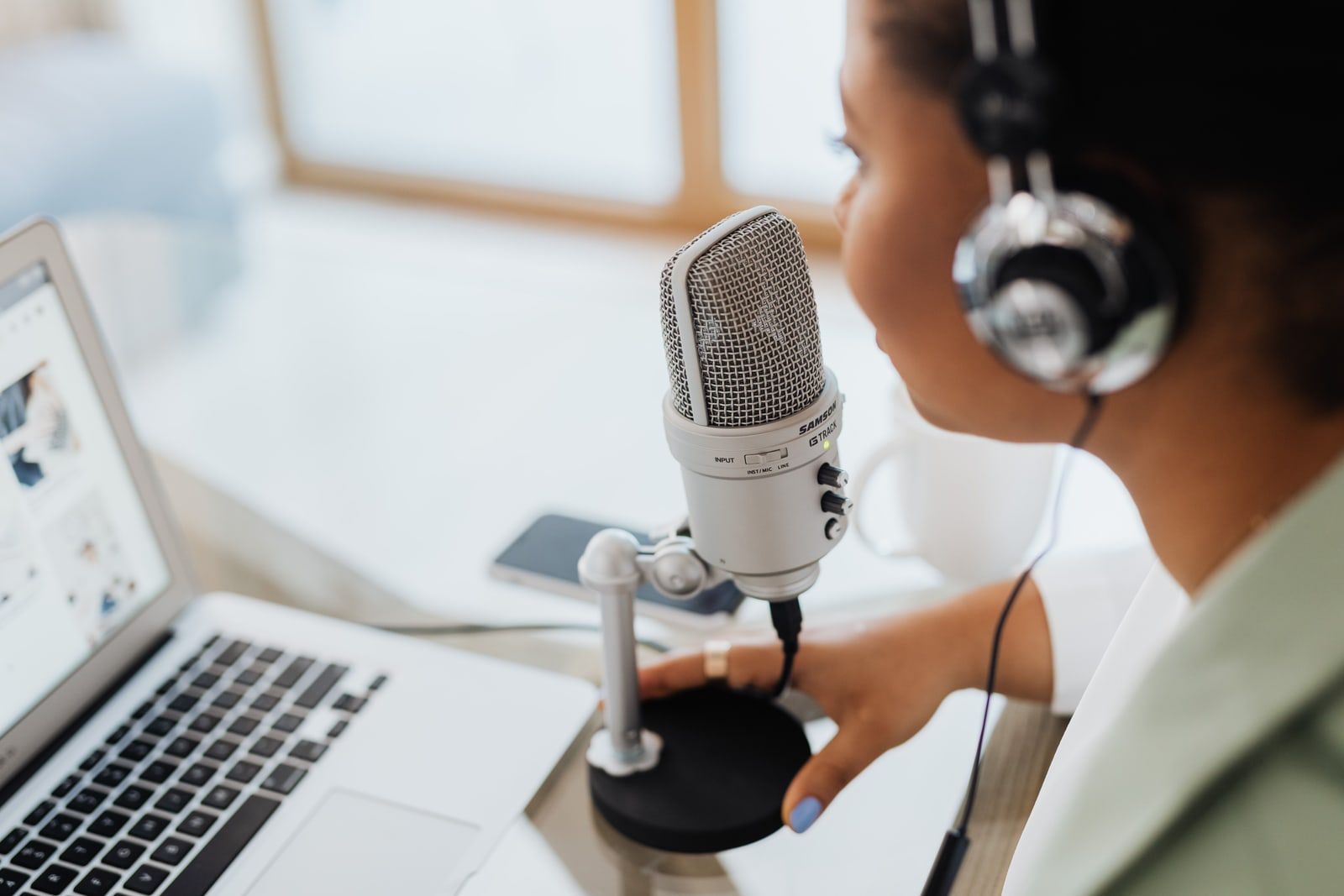
ElevenLabs released Eleven v4 and a low-latency variant, Eleven v4 Turbo, on Monday. The announcement, by Mati Staniszewski and Piotr Dabkowski, describes an entirely new architecture aimed at one problem: a line of text sounds different depending on who is saying it and why, and text-to-speech models have historically read rather than performed.
The mechanism is direction. Users describe in natural language how a line should be delivered, and can place inline tags in the text — the company’s examples include [laughs], [said angrily in French accent], [light rain] and [phone buzzing]. ElevenLabs says v4 follows those tags and direction prompts more accurately than its earlier models, and that support for International Phonetic Alphabet phonemes has improved so custom pronunciations behave more reliably.
Consistency across a whole scene
The second claim concerns identity. A new method for capturing a speaker’s identity is meant to keep a voice consistent across agent conversations, audiobooks and advertisements, rather than drifting between generations. Because the model reads the context of a whole scene, ElevenLabs says multi-speaker dialogue responds to what was just said instead of being stitched together from isolated lines.
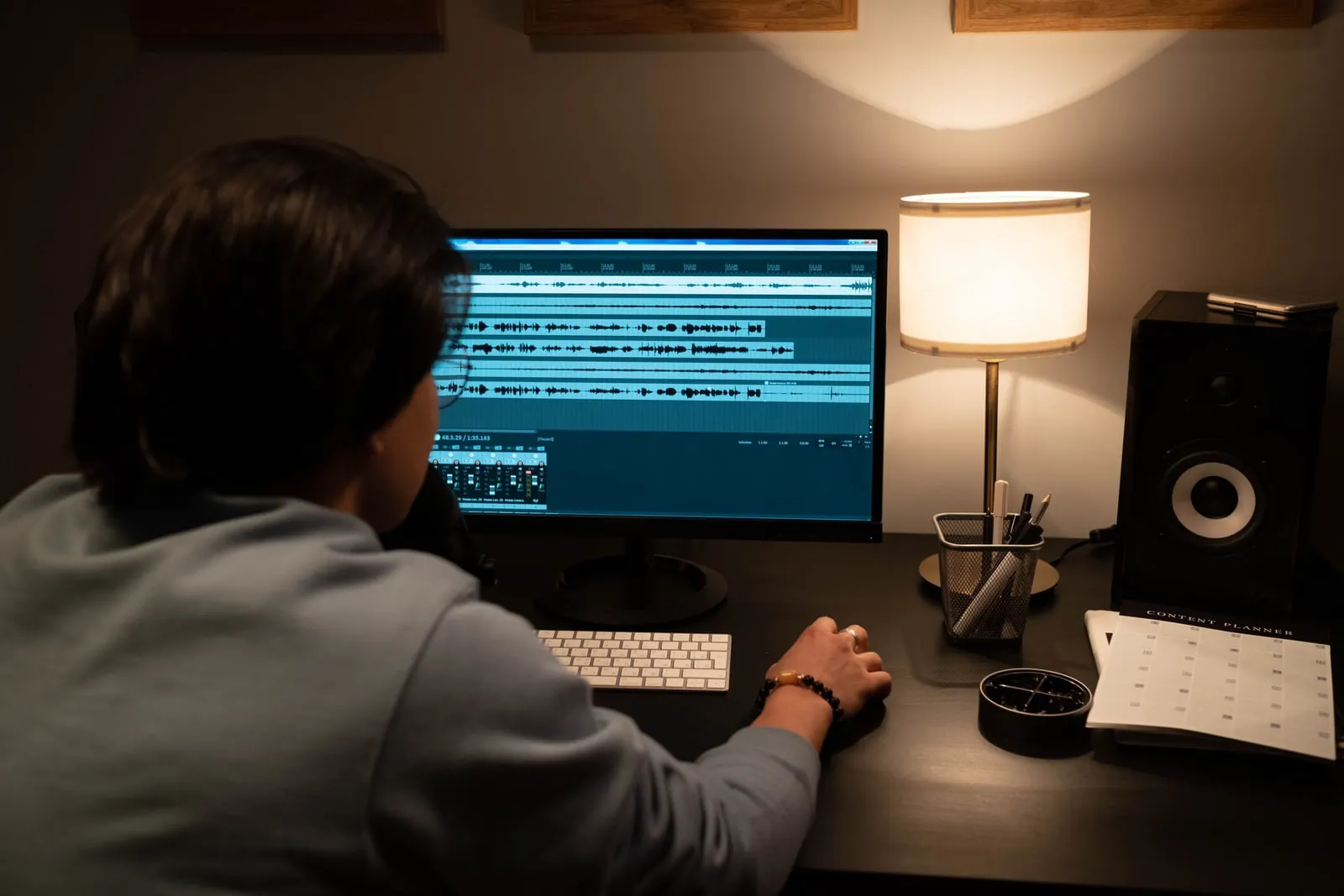
Both models support more than 90 languages, and the company says a voice recorded in one language now speaks the others with a native speaker’s accent while keeping the original identity — and that accent adherence is stronger, so the voice no longer drifts back toward its source accent over a long generation.
The Turbo variant is the commercial one
Eleven v4 Turbo carries the same architecture into real-time use. ElevenLabs gives it a median time to first speech of about 150 milliseconds and says it was optimised together with ElevenAgents, the company’s conversational agent platform, as a single system rather than assembled from separate vendors’ parts.
That is the competitive argument rather than the technical one. Voice agent builders have had to choose between a fast model and an expressive one; a 150-millisecond first token with stage directions attached is aimed squarely at customer service and game dialogue, the two markets where both properties are needed at once.
The numbers are the company’s own
ElevenLabs says v4 was preferred by roughly 75% of listeners in blind head-to-head tests against competing models, and cites a first-place ranking from Artificial Analysis. Both figures appear in the company’s own announcement, the listening tests were run by ElevenLabs, and the protocol behind them has not been published. They are vendor claims until someone else reproduces them.
Both models are available now through ElevenAgents, ElevenCreative and the ElevenLabs API. The company also appears on the partner list for OpenAI’s new enterprise Marketplace, announced at DevDay the following day.
What to watch
The interesting number is not the preference test but the latency under load. A median time to first speech is measured somewhere, and voice agents fail in the tail rather than the median. The other thing to watch is what tags do to safety: a model that reliably performs an instruction like “said angrily in French accent” is a better impersonation tool than one that does not.