What Apple announced
Apple introduced Apple Reference Image at its Surprise and Shine event on Wednesday, a feature for the iPhone 18 Pro and iPhone 18 Pro Max that signs camera sensor data at the pixel level as a photo is taken. The signed data goes to Private Cloud Compute, which turns it into what Apple calls an unalterable reference image — a digital negative that can be compared with any later version of the same picture.
The framing matters. Most tools in this area try to spot whether an image was generated or altered, and they are unreliable because detection is an arms race. Apple is doing the opposite: it is not judging an image at all, it is preserving a signed record of what the sensor saw so that a difference can be shown rather than inferred.

Who it is aimed at
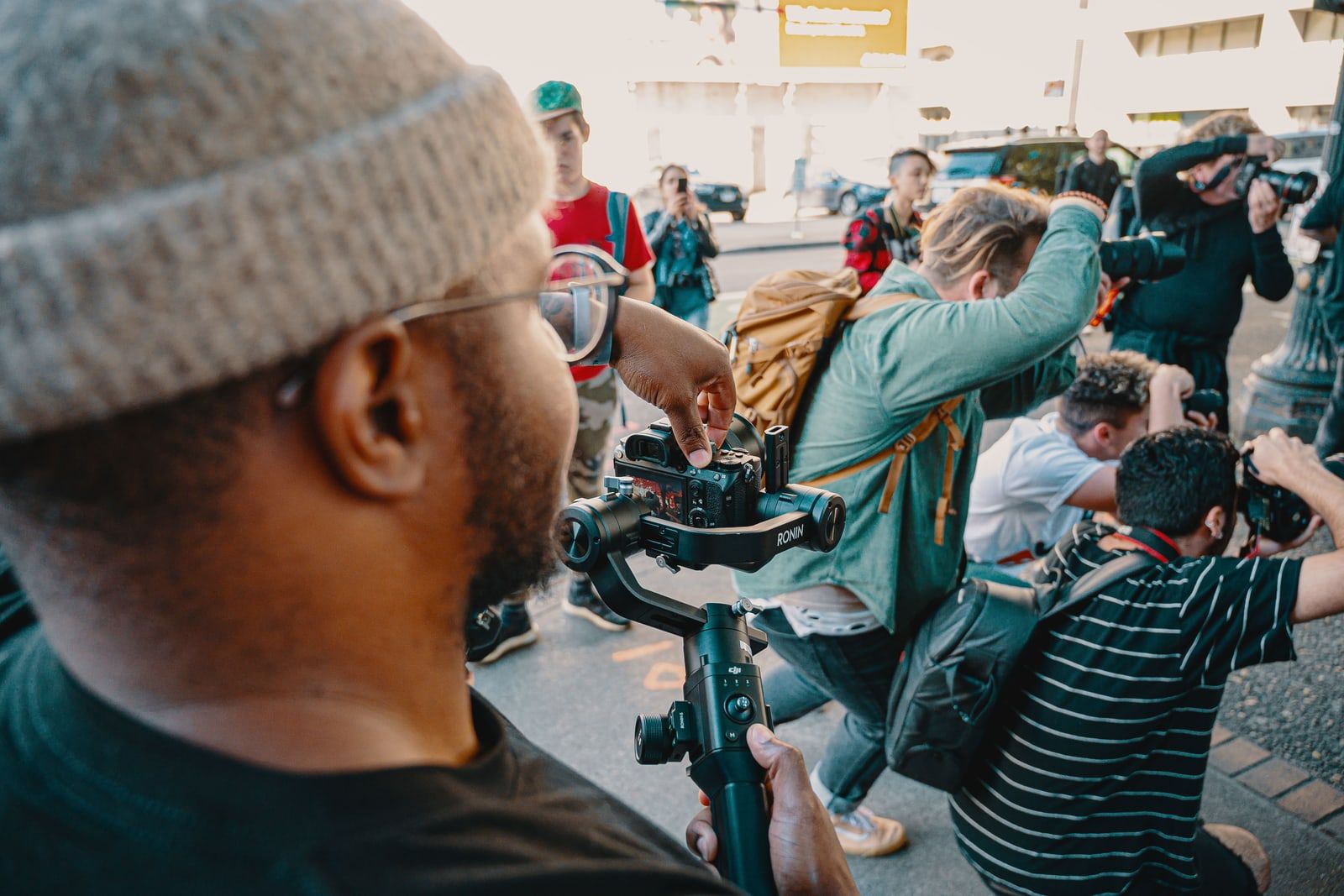
“This is vital for photojournalists and photographers,” Apple said. That is the obvious constituency, and it is also the one whose working practice already depends on being able to defend an image after publication. A signed original that a third party can verify is closer to a chain of custody than to a watermark.
Reference images will initially be viewable only in the Photos app, but Apple is opening APIs in iOS 27, iPadOS 27 and macOS 27 so other applications can display them. Signed images can be shared, and the recipient can check them independently.
Where it will not work
Apple says the feature will not be available in China. Accounts of the European position differ: MacRumors reported that capture will not be available at launch on the Pro models in the EU, while reference images can still be developed and viewed on the new operating systems; 9to5Mac reported the feature will not be available in the EU at all. Apple has not published a single consolidated availability list, and the distinction between capturing a reference image and viewing one is exactly where the ambiguity sits.

The other half: SynthID
Apple also said it will support SynthID, the watermarking standard Google developed to label AI-generated and AI-edited images. Images made or altered with Apple’s own tools — Image Playgrounds, and Apple Intelligence edits such as Extend and Spatial Reframe — will carry SynthID markings rather than reference images. That arrives later in 2026.
Taken together the two mechanisms answer different questions. SynthID says a machine touched this. A reference image says here is what the sensor recorded, compare for yourself. Neither proves the photograph is honest — a signed original can still be a staged scene — but the second one moves the argument from detection, which fails quietly, to comparison, which does not.
What to watch
The test is adoption outside Apple. A provenance signal is only useful if the people who publish and check images can read it, which means newsroom tooling, social platforms and the C2PA ecosystem. Watch which apps pick up the iOS 27 APIs, and whether Apple clarifies what exactly is and is not available in the European Union.