What was signed
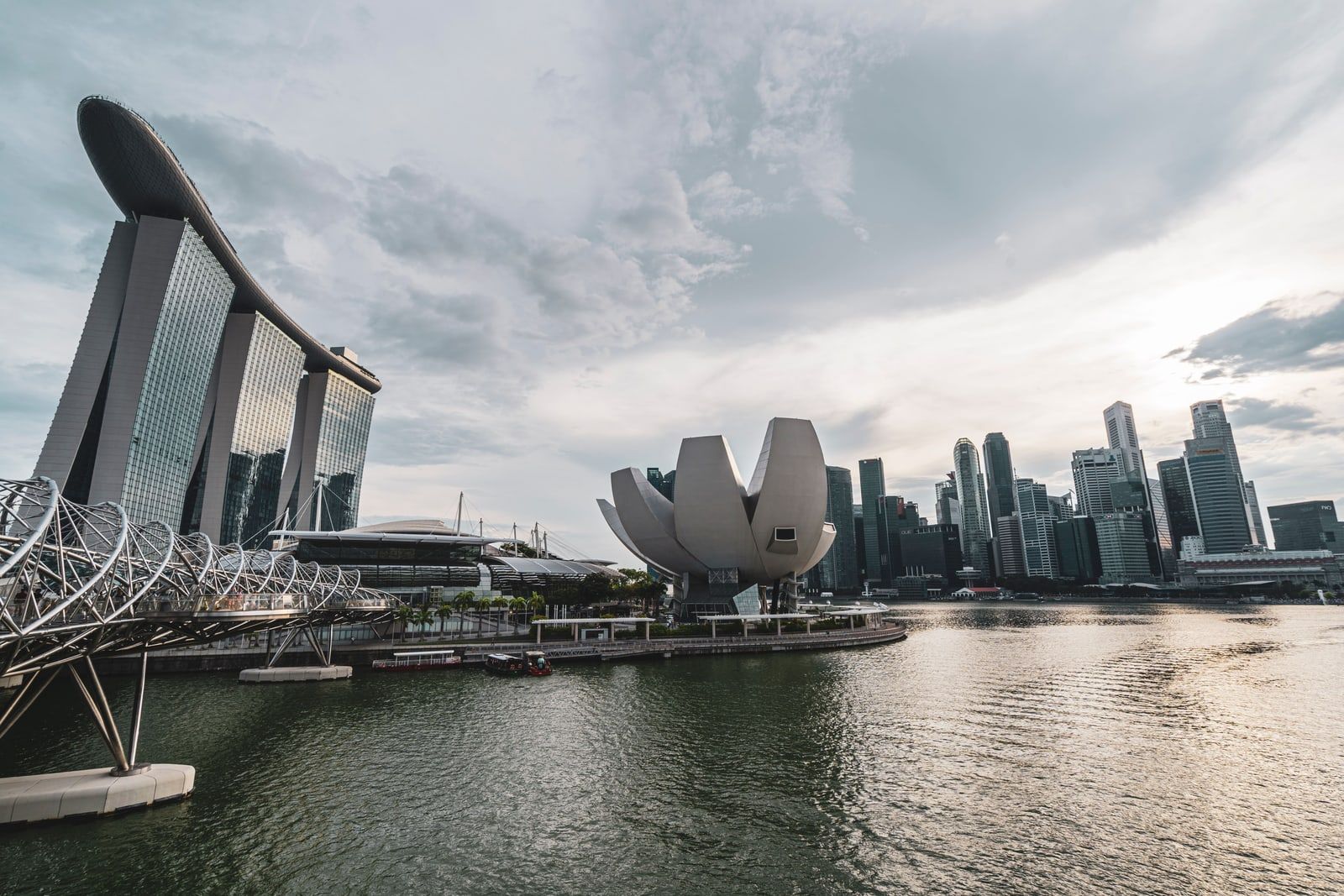
Anthropic opened an office in Singapore on 14 October, its fifth in the Asia-Pacific region, and signed a memorandum of understanding with the Singapore Ministry of Digital Development and Information. Kai Fong Chng, the ministry’s permanent secretary, and Anthropic co-founder Ben Mann signed it on the sidelines of Singapore International Cyber Week, witnessed by Minister Josephine Teo and Michael Sellitto, Anthropic’s head of Asia-Pacific policy.
The memorandum is broader than a sales agreement. It covers AI safety, security and model evaluation; technical exchanges on model evaluation, testing standards and incident response; research on AI adoption and its effects; building AI skills and helping small and medium-sized businesses adopt the technology; capability-building among public officers; and sharing research and data, including from the Anthropic Economic Index.

Why Singapore
Anthropic gives a striking figure for why it is there: Singapore ranks second of 121 countries for Claude.ai usage relative to population, roughly six times what its size alone would predict. The relationship goes back to 2023, when the company joined the Generative AI Evaluation Sandbox run by the Infocomm Media Development Authority and the AI Verify Foundation.
The customer list in the announcement is unusually institutional. More than 1,500 engineers and technical staff at GovTech Singapore use Claude Code to modernise government systems. The Cyber Security Agency of Singapore is exploring how Claude could strengthen cyber defence. DBS uses it for software development within its own security and governance framework; GIC, the sovereign wealth fund, is rolling it out across investment and corporate services teams; Grab says its Claude-powered BriX sales assistant saves its sales teams about 40,000 hours a quarter; Sea uses it to improve Shopee’s customer service chatbot and for coding across thousands of staff; and Supabase builds with Claude Code.

What each side said
“We’re committed to Singapore for the long term,” said Dale Finlay, Anthropic’s general manager for ASEAN, pointing to the reliability and security standards its customers there expect. Mann tied the agreement to Singapore’s track record in model testing, saying “capability and safety have to go hand in hand”. Chng framed it from the government’s side: “Trust is critical for businesses, workers, and the public to use AI with confidence.”
What to watch
Memoranda of understanding are not binding and they are easy to sign. The test here is the incident-response clause. Singapore already runs an evaluation sandbox and an assurance foundation; whether a frontier lab and a national regulator actually exchange information about a real incident, rather than about testing standards in the abstract, is the thing that would make this more than an office opening.