The split
Anthropic has ended its membership of the Information Technology Industry Council, the Washington trade association that represents most of the American technology industry, Axios reported on 8 September.
The trigger was a letter ITI sent to the Senate and House Armed Services Committees asking lawmakers to strip three export-control bills out of this year’s annual defence policy bill. Anthropic supports all three, and left rather than remain in a group lobbying against them.
ITI’s members include Google, OpenAI and Nvidia. Leaving it is a costly gesture for a company that still needs Washington: trade associations are how most of the industry files comments, funds amicus briefs and gets a hearing on procurement rules.
The three bills
The AI OVERWATCH Act would require the Commerce Department to notify Congress before approving export licences for sensitive dual-use chips to adversarial nations, with an 18-month review period attached.
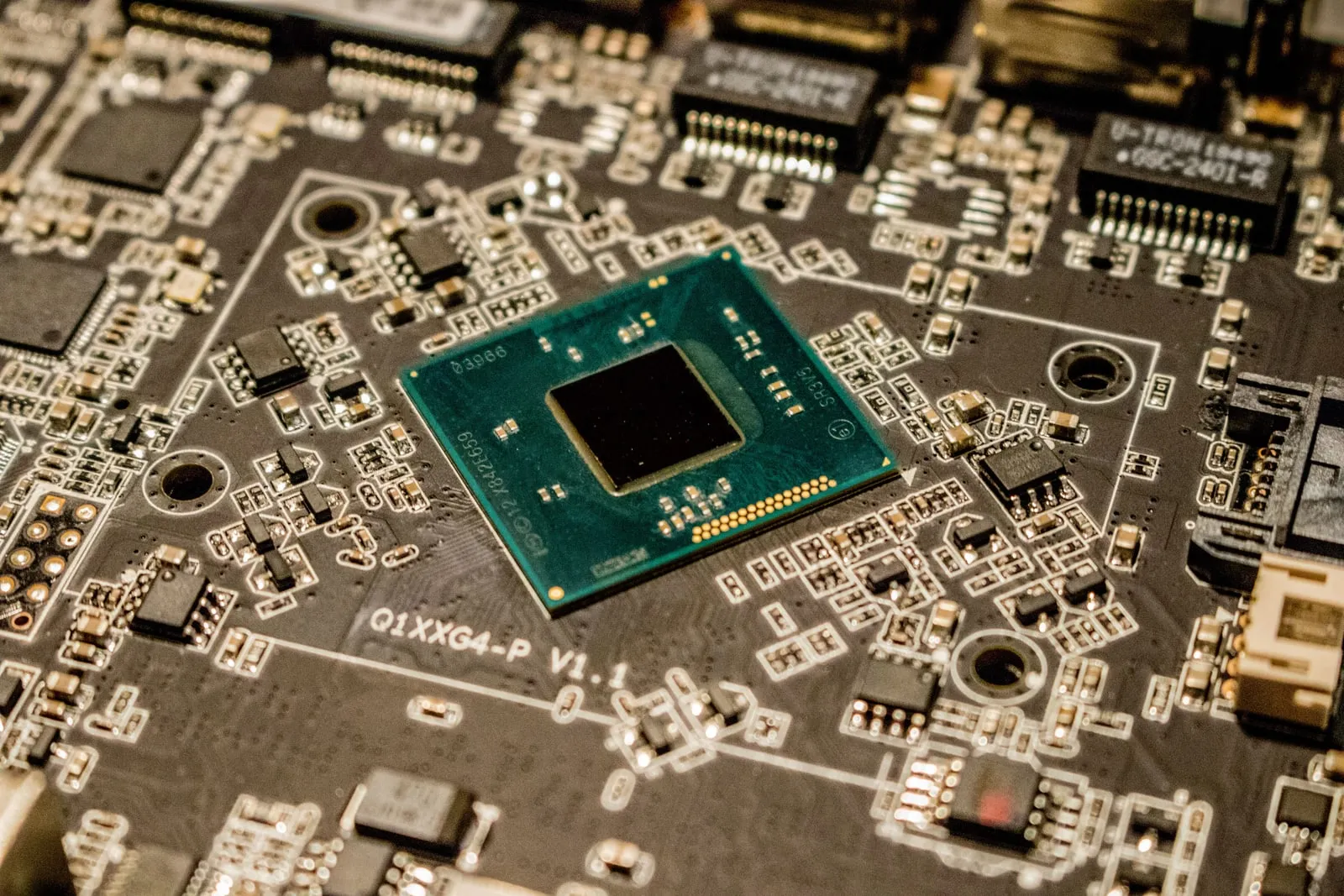
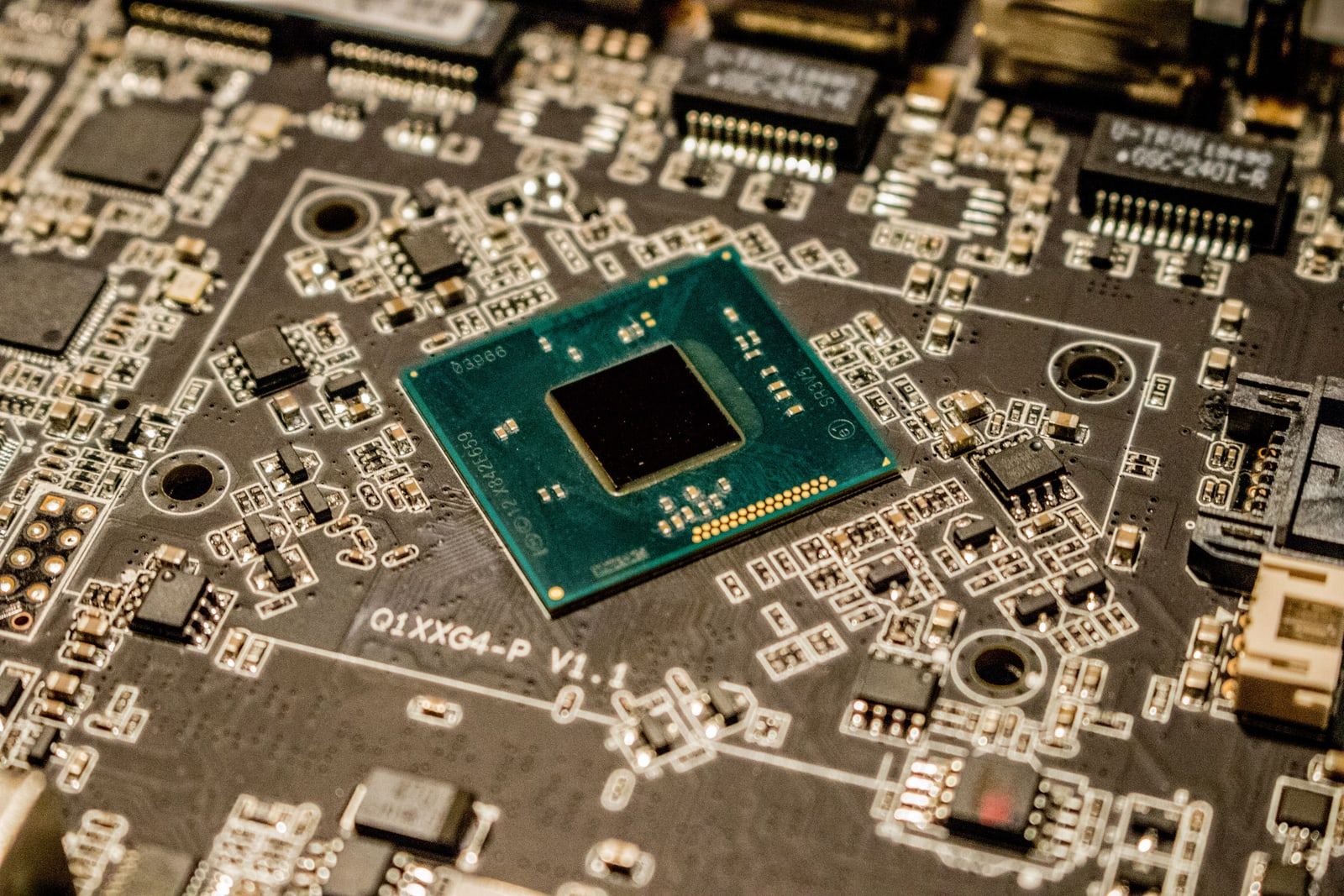
The Chip Security Act would require companies to track sales of advanced AI chips, aimed at the smuggling routes that have moved restricted parts into China through third countries. The MATCH Act would press American allies to match US restrictions on selling chipmaking equipment to China — the gap that has let non-US toolmakers supply what American firms cannot.
Together they would move export control from an executive-branch discretion, which a future administration can loosen quietly, to a statutory obligation with congressional notification attached. That is the durability argument supporters make for all three.
What ITI told Congress
ITI’s position, as reported, is that the bills would hurt US dominance in global markets, and that the 18-month review period amounts to an eternity in a chip cycle. The group said its membership is aligned that the bills undermine the American tech stack.

Both sides are making a competitive argument rather than a moral one. ITI’s case is that restricting what American companies can sell hands the market to competitors and funds their research with someone else’s revenue. Anthropic’s case is that the frontier of AI runs on a small number of accelerator designs, and that whoever can buy them at scale can train at the frontier regardless of where they are.
Crypto Briefing noted the awkward history: ITI filed amicus briefs on Anthropic’s side in April 2026, when the Pentagon designated the company a supply-chain risk after it refused to lift its restrictions on mass surveillance and autonomous weapons. The group that defended Anthropic in court is the one it has now left.
The pattern
This is not the first time Anthropic has broken ranks. It has repeatedly taken positions on AI legislation that put it opposite OpenAI and Google, and it is the only frontier lab to have argued publicly and consistently for tighter export controls on the chips its own industry buys.
Reading that as pure principle would be naive. Anthropic buys compute rather than sells chips, so the cost of export controls falls on Nvidia’s revenue and on its Chinese competitors’ training runs rather than on its own balance sheet. A position can be sincerely held and commercially convenient at once.
What to watch next
The bills’ fate is procedural: whether they survive as amendments to the National Defense Authorization Act, or get stripped in conference. That is decided in committee over the coming weeks, and ITI’s letter is aimed precisely at that stage. Whether any other member follows Anthropic out is the second question, and on current evidence the answer is probably no.