
$150m, over three years, in credits
Anthropic announced a $150 million commitment to the Genesis Mission on 8 October, at the Science: A New Golden Age Summit hosted by the White House Office of Science and Technology Policy in Washington, DC. The Genesis Mission is described as a federal initiative to accelerate scientific and technological discovery through AI, and Anthropic says it first announced its partnership with the Department of Energy and the mission last December.
The shape of the commitment matters. Spread over three years, it covers Claude, Claude Code and API credits for several hundred Genesis Mission research projects, partnership work with agencies and national laboratories on administration science priorities including fusion energy and quantum computing, and training, onboarding and technical support for scientists on those projects — including help for newer agencies getting their first work running.
That is product and staff time valued at $150m, not $150m of federal contract revenue flowing the other way.
More than fifteen agencies
The funding makes Claude available to more than 15 agencies in the mission, with NASA, the National Institutes of Health and the National Science Foundation named. Anthropic says it has also worked with the Department of Energy to bring Claude to scientists at national laboratories, and mentions Lawrence Livermore National Laboratory.
The announcement does not name any officials, give compute amounts, break the money down by agency or activity, or put a number on the projects beyond “several hundred”.
The line worth noticing
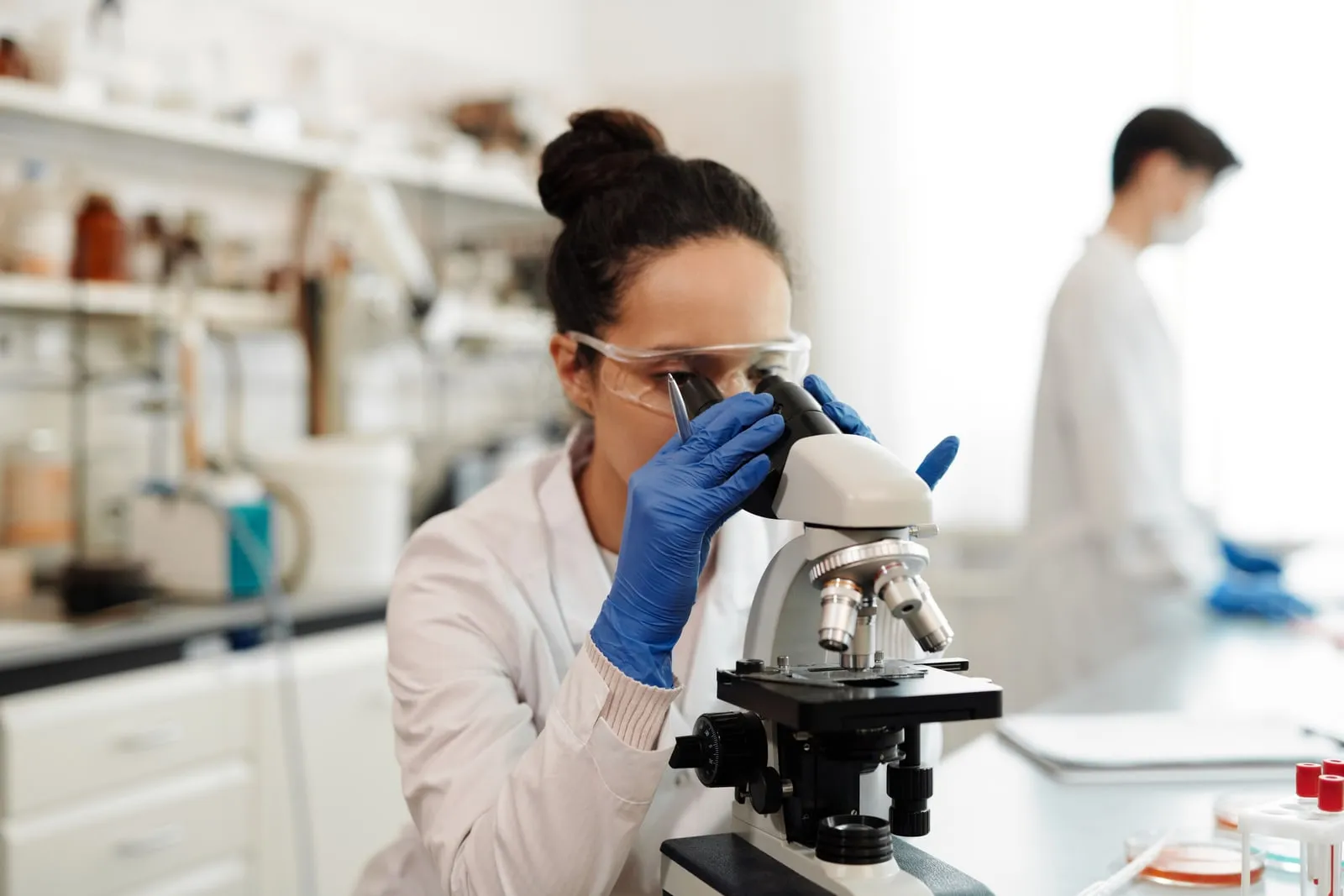
Alongside the headline number, Anthropic lists several related efforts: Claude Science, which it calls an AI workbench; 10,000 free or discounted Claude seats for academic scientists; an expanded AI for Science credits programme; and a research preview of something called the Model Hardware Standard for AI agents operating lab instruments.
That last one is the quiet item. A standard for a model driving physical laboratory equipment is a different category of thing from credits for reading papers, and it lands on the same day Anthropic’s updated usage policy added a rule requiring that hardware taking autonomous physical actions must hold a safe state if Claude is disconnected.
What to watch
Two things. Whether the Model Hardware Standard moves from research preview into something agencies actually adopt, because that is where agents stop summarising experiments and start running them. And whether any of the several hundred projects publish results, since a credits commitment is easy to announce and hard to audit.