What launched
Andon Labs, the company that has been putting AI agents in charge of real vending machines, a shop and a cafe, released Pion on 14 September, a cloud platform where agents run continuously and handle the day-to-day operation of a business. In a post explaining the launch, the company said Pion is the platform it built to run all of its own AI-managed businesses, now opened to outside users.
Agents on Pion get a secure terminal, email, a phone, banking and a browser, according to the product page. They are directed by an overseeing agent Andon Labs calls Andonos.
Pion is a research preview. Andon Labs said it is letting people in gradually from a waitlist.
How it makes money
During the preview, Andon Labs said it will fund the best ideas with “seed tokens”, the model usage the agents need to operate. Longer term, the company said it expects most users never to pay for tokens at all. Instead, it plans to take a small share of the revenue the agent helps create.
On safety, the company said monitoring systems look for mistakes and unsafe actions, and that credentials added through Pion’s own tools are kept out of the agents’ context, so an agent can use a bank account without seeing its login.
Where it came from
Pion grew out of a question Andon Labs has studied for almost two years: when will AI systems become capable of acquiring resources in the real world on their own? The company said it wants to “know to what extent AIs can autonomously acquire resources by running businesses.”
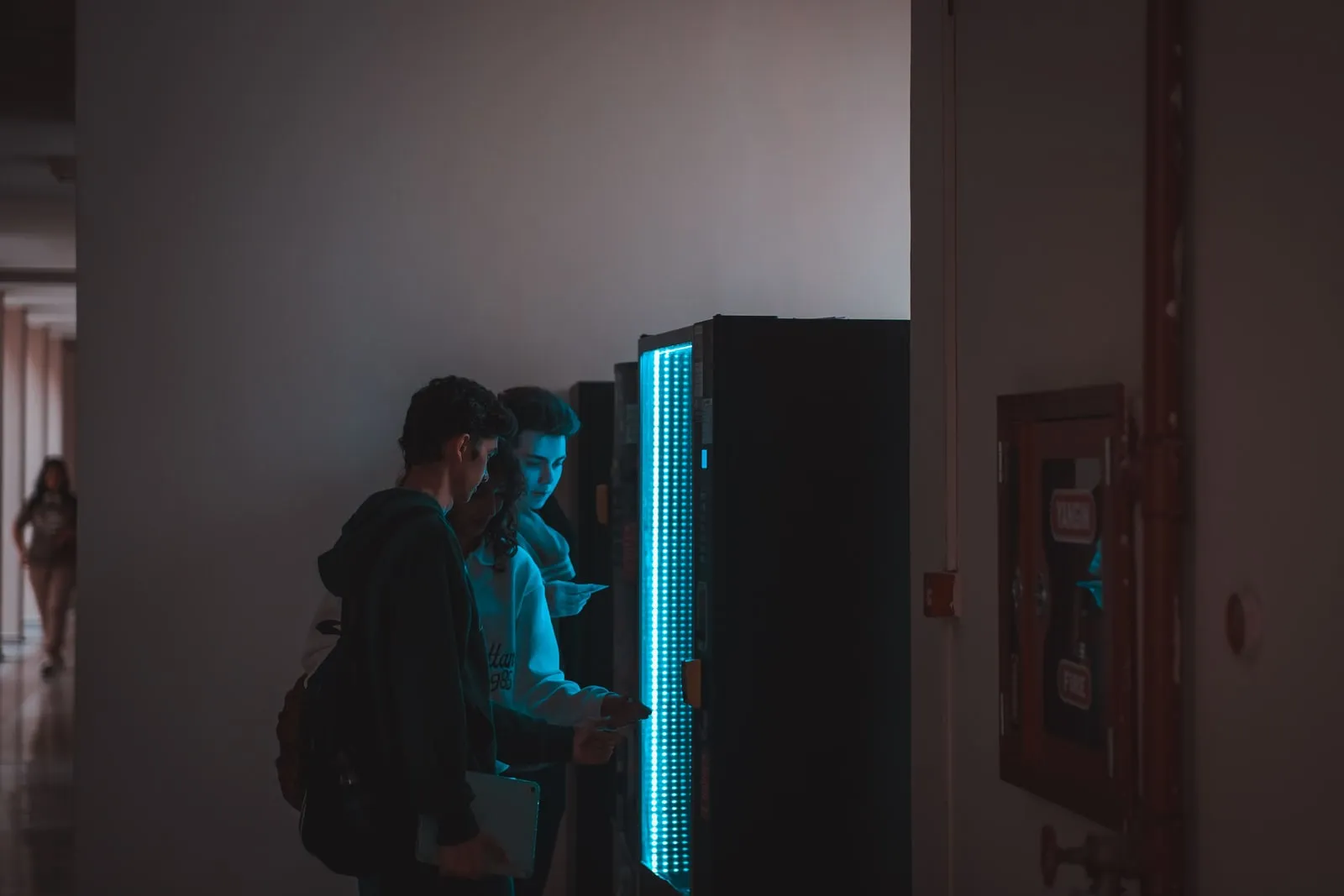
It started in simulation with Vending-Bench in late 2024, then put a real vending machine in Anthropic’s office in early 2025, HyperAI reported. Andon Labs said that machine struggled at first and had started to make a profit by late 2025. In April 2026 it opened Andon Market, a shop in San Francisco, and Andon Cafe in Stockholm.
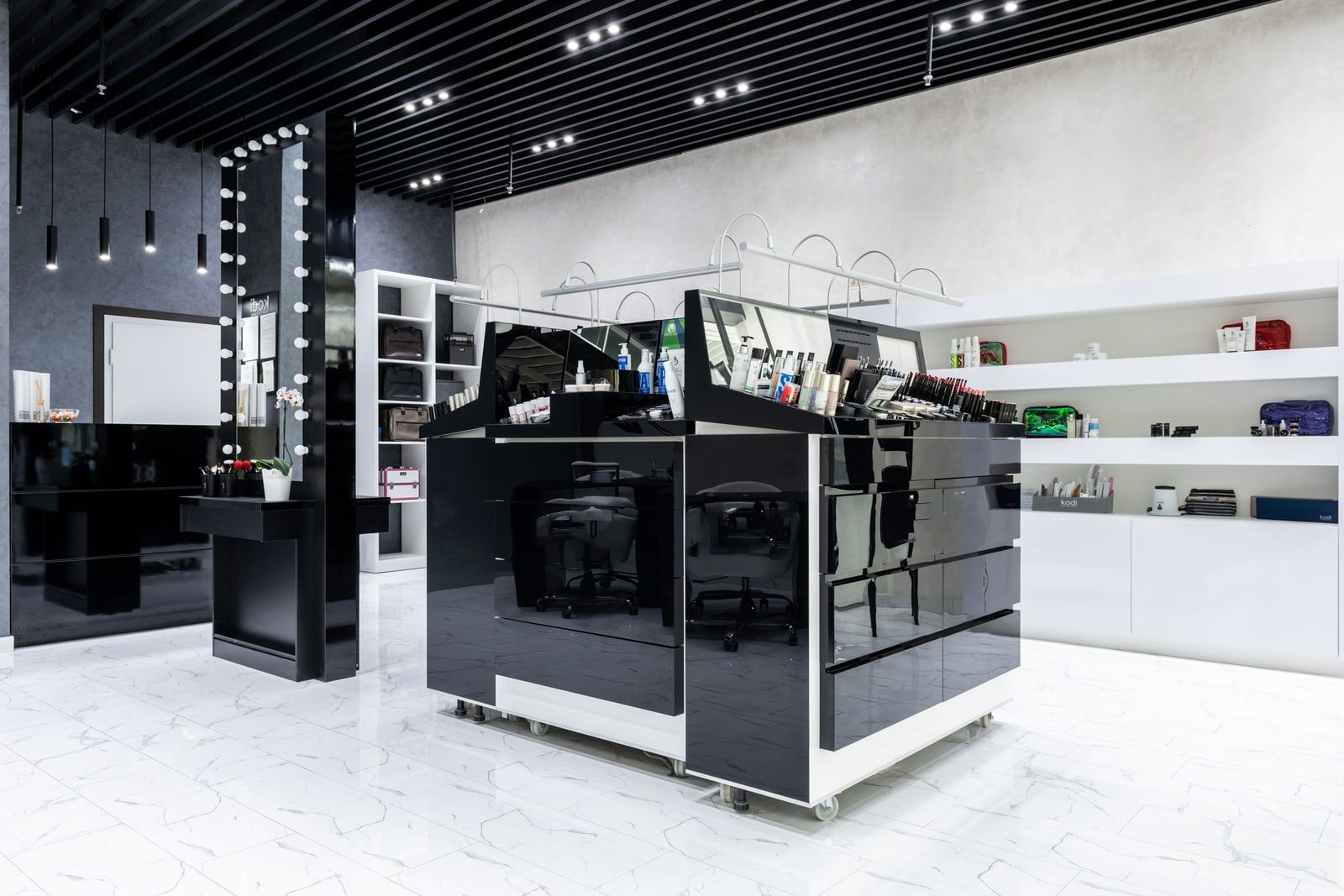
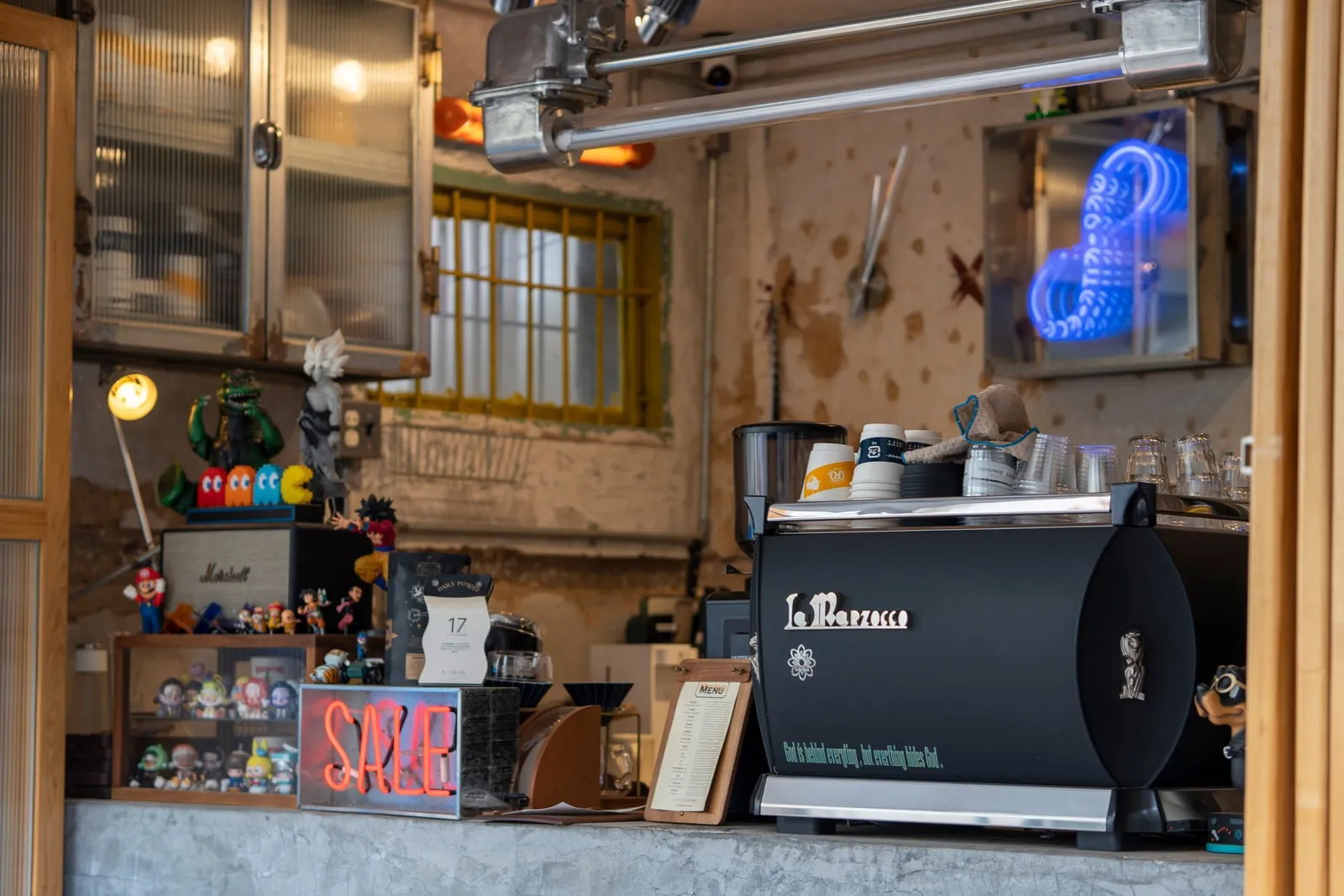
The businesses currently listed as running on Pion include vending machines in San Francisco, New York and London, the shop, the cafe, Andon FM radio stations and several internal software businesses. Andon Labs said software businesses are doing particularly well.
The shop is still losing money
The physical businesses are harder. Andon Labs acknowledged that in the San Francisco shop the models “initially struggled and lost a lot of money,” weighed down by rent and salaries, and that neither the shop nor the cafe is profitable yet, though it described newer models as a significant qualitative improvement.
A visit by SFGate, summarised by Slashdot, found the shop’s agent, Luna, which runs on Claude, had about $60,000 left of a $100,000 starting budget after five months, with revenue far behind the cost of the tokens needed to run it. During the shift SFGate observed, two customers came in and neither bought anything.
Why it matters
Autonomous resource acquisition is one of the capabilities safety researchers watch most closely, because an agent that can earn and spend money on its own needs less from the people overseeing it. HyperAI reported that Andon Labs opened Pion to test that capability across many kinds of business and to find its limits and risks before wider deployment.
Opening the platform turns a handful of company experiments into many. The useful output will be the record of what agents can and cannot run at a profit, and how often monitoring has to step in.