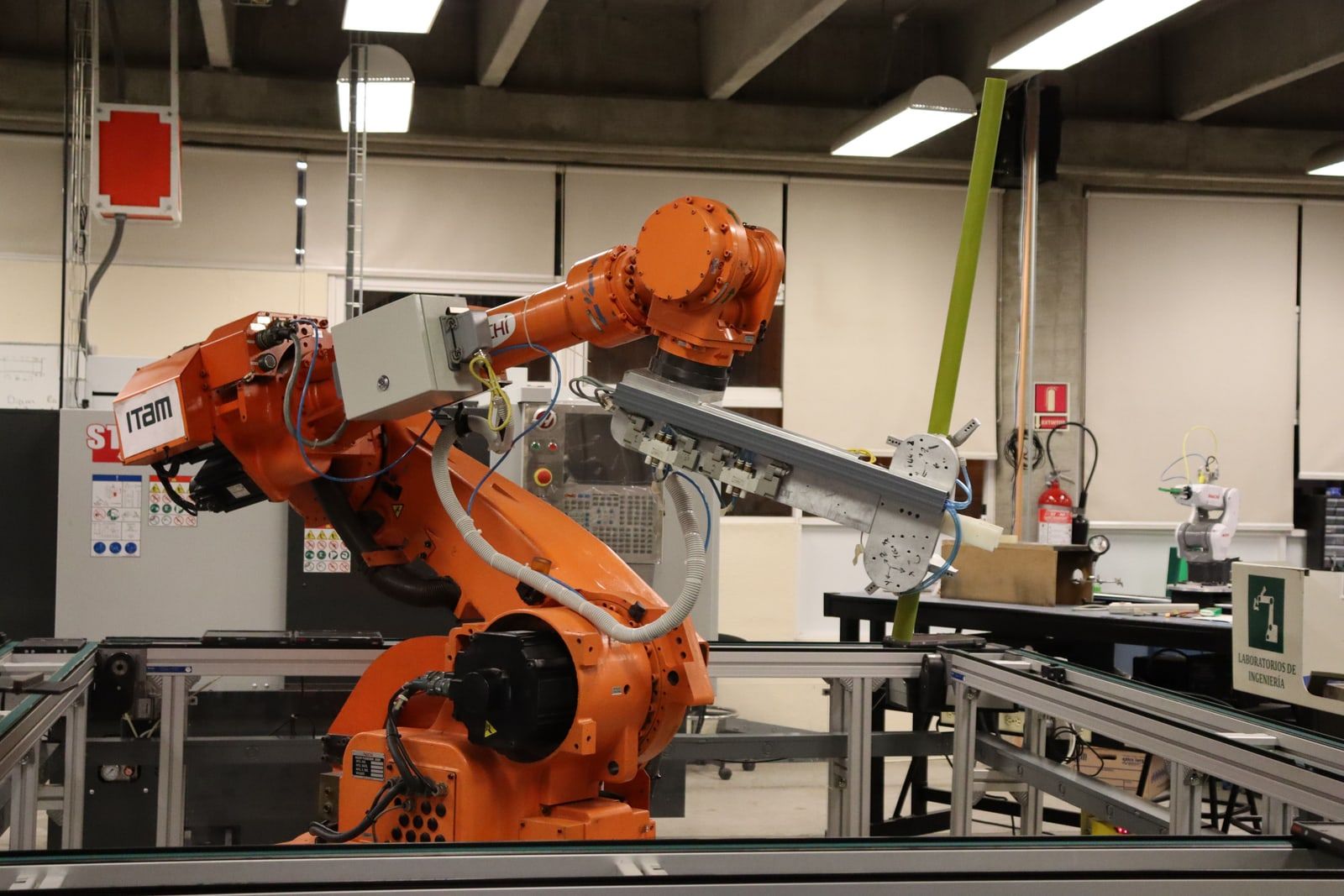
Argon controls robots, builds the simulations they practise in and grades their training data. Google scores it at 87% on an embodied reasoning benchmark; Artificial Analysis ranks it behind two OpenAI models.
Model
GPT-6 Astra
GPT-6 Astra is an artificial intelligence model developed by OpenAI. This page lists what is publicly known about the model and every benchmark result Aivio News has recorded for it, each with its own source and date.
- Developer
- OpenAI
- Model
- GPT
- Released
- September 3, 2026
- Context window
- 1,050,000
- Modalities
- Model, Image, Code
- Status
- Active
- Source
- openai.com
Benchmarks
All storiesNo verified results recorded yet.
More from GPT-6 Astra

TheoPhysEval was built from problems working physicists had not published, precisely so no model could have seen them. The best agent missed one, at an average cost of about $2.33 a problem.

Jakub Pachocki has said chain-of-thought monitoring is growing 'fragile'. Microsoft briefly published, then deleted, a description of GPT-6.1 Sol's looping inference.

Artificial Analysis scores Muse Wonder Full at 56, fourth of 689 models. Meta sells the weaker Muse Wonder through its API and keeps the stronger one inside Muse Code.

More than 3,000 Atlassian developers already use Codex. The company insists Rovo will keep routing across providers rather than defaulting to GPT-6 Astra.

Mistral's new trillion-parameter model does the security work Claude and GPT-6 refuse
ML4 is a 1 trillion-parameter open-weight model trained on 3,800 Nvidia chips in Mistral's own European data centres. The number the company leads with is 82% on a vulnerability test where, it says, Claude Opus 5.5 and GPT-6 Astra score near zero because they decline the task.

OpenAI is buying its way into other companies' software to find tasks its agents still fail
The first partner is the contract platform Ironclad. OpenAI says GPT-6 Astra scored 55.0% on the eleven tasks they built together, against 41.6% for GPT-5.6 Sol, with roughly half the estimated time per attempt.

The company published the detection rates alongside the announcement, and they fall sharply on short passages, on mathematics, and on anything that has been edited.
Coding agents can rebuild a room from one photo, and cannot tell whether they got the geometry right
LEGO-Bench scores validity, geometry and appearance separately. Splitting them apart is what exposes the gap: a scene that renders convincingly is not a scene that is measured correctly.