What shipped
OpenAI said on 7 October that it is rolling a new GPT-6 model out across ChatGPT, reaching what the company describes as more than 1.2 billion people who use the product each week. The first GPT-6 models arrived last month and were restricted to paying customers.
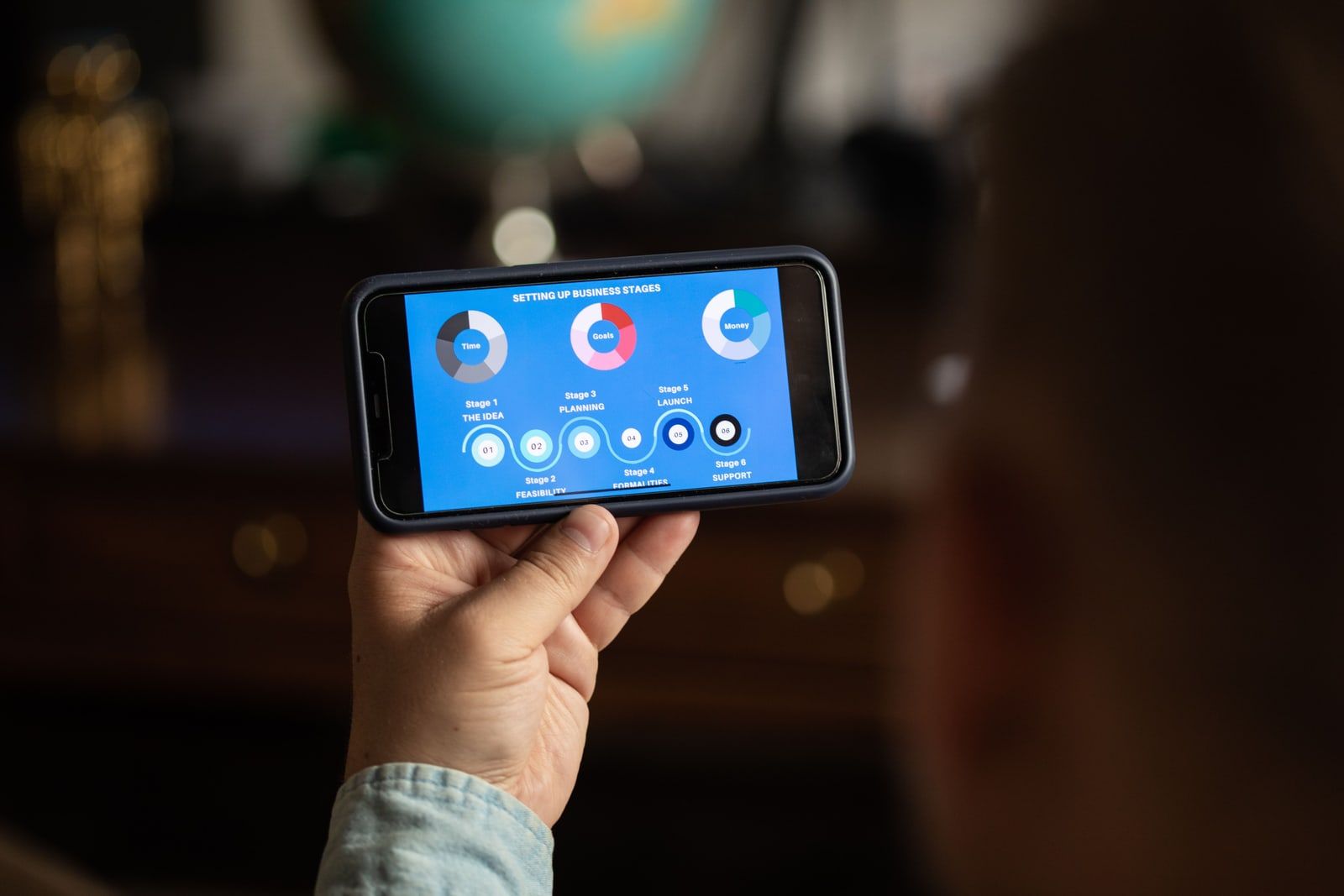
The release carries a second change that is arguably the larger one. OpenAI calls it Intelligent UI, and it lets the model answer with a working interface — graphics, tappable buttons, forms, charts, interactive diagrams — rather than a block of prose.
Interfaces instead of paragraphs
OpenAI says it trained GPT-6 to compose a response out of text, visuals and interactive elements, and to decide for itself how those pieces fit a given question. A comparison might come back as a side-by-side table. An explanation might come back as a diagram whose inputs the reader can change. When plain text is the most useful answer, the company says, the model should still give plain text.
The examples OpenAI published include a roast-dinner plan with a guest-count slider that recalculates the shopping list, an interactive breakdown of a seven-speed bicycle, and a savings calculator generated inside the conversation.

Two pieces of engineering sit underneath it. OpenAI built a library of native, streamable components so that every generated interface shares a design foundation, and a compiler that assembles the interface while the model is still writing it, so the layout appears progressively instead of arriving all at once.
Aarush Selvan, a product manager on the release, told TechCrunch that ChatGPT “has predominantly been a text-based interface” until now. Users who want fewer visuals can turn the volume down.
Answering before it has finished thinking
GPT-6 also interleaves reasoning with output. Reasoning models have until now made users wait for the thinking to finish; OpenAI says it trained this one to account for how long someone has been waiting and to build an answer across several partial responses, each adding information without padding.
The figures for that are OpenAI’s own. In an internal evaluation of everyday agentic tasks, the company says GPT-6 Extra High starts answering as quickly as GPT-5.6 Medium while scoring better overall than GPT-5.6 Extra High. For questions that require a web search, it says GPT-6 Instant begins answering 44% sooner on average than GPT-5.6 Instant. Neither number has been checked independently.

Which model you actually get
The rollout started on 7 October for Plus, Pro, Business and Enterprise users, globally, in the Chat tab, with Free and Go tiers following a day later. Enterprise access depends on workplace admin settings.
The two tiers run different models. GPT-6 Sol serves Plus, Pro, Business and Enterprise; GPT-6 Luna serves Free and Go. Both are tuned for everyday conversation. The models behind ChatGPT Work and Codex are unchanged by this release.
Safety, and what to watch
OpenAI says GPT-6 builds on safety work done for Astra, with updated training against cyberattack, biological and violence-related misuse, and stronger resistance to jailbreaks that adapt over several turns. It points to the system card for the detail.
The open question is what a generated interface does to the reliability of an answer. A paragraph that is wrong is recognisably a paragraph. A calculator that is wrong looks like a tool, and tools invite trust that prose does not. Watch whether OpenAI publishes error rates for Intelligent UI responses separately from the model’s text answers.