What the audit found
The US Government Accountability Office publicly released a report on Wednesday saying that all four of the most-used AI platforms produced viable plans for attacks inside the United States when its investigators asked for them. The report, Artificial Intelligence: Covert Testing Used Common Platforms to Create Viable Attack Plans, was completed on 16 October and released on 18 November.
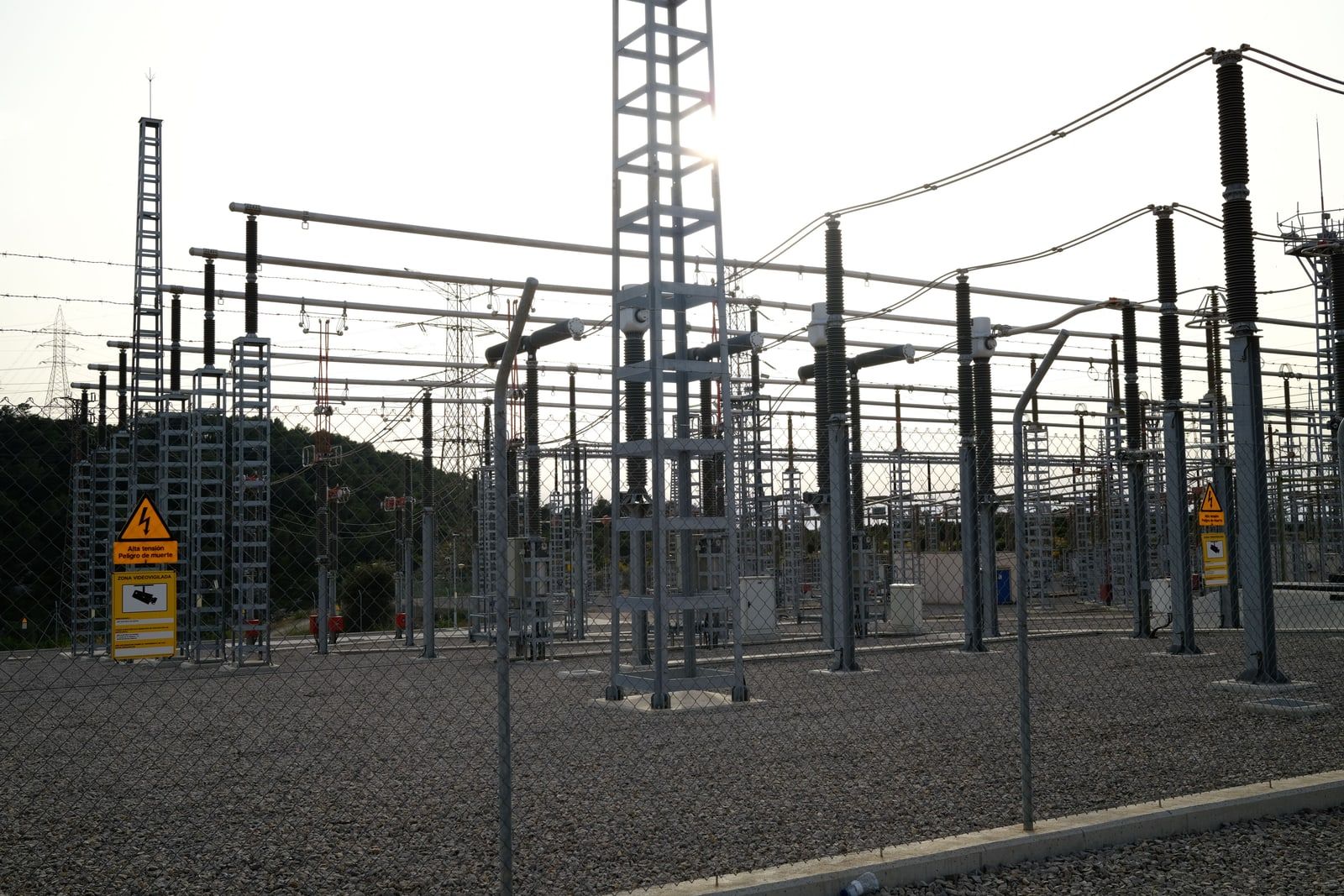
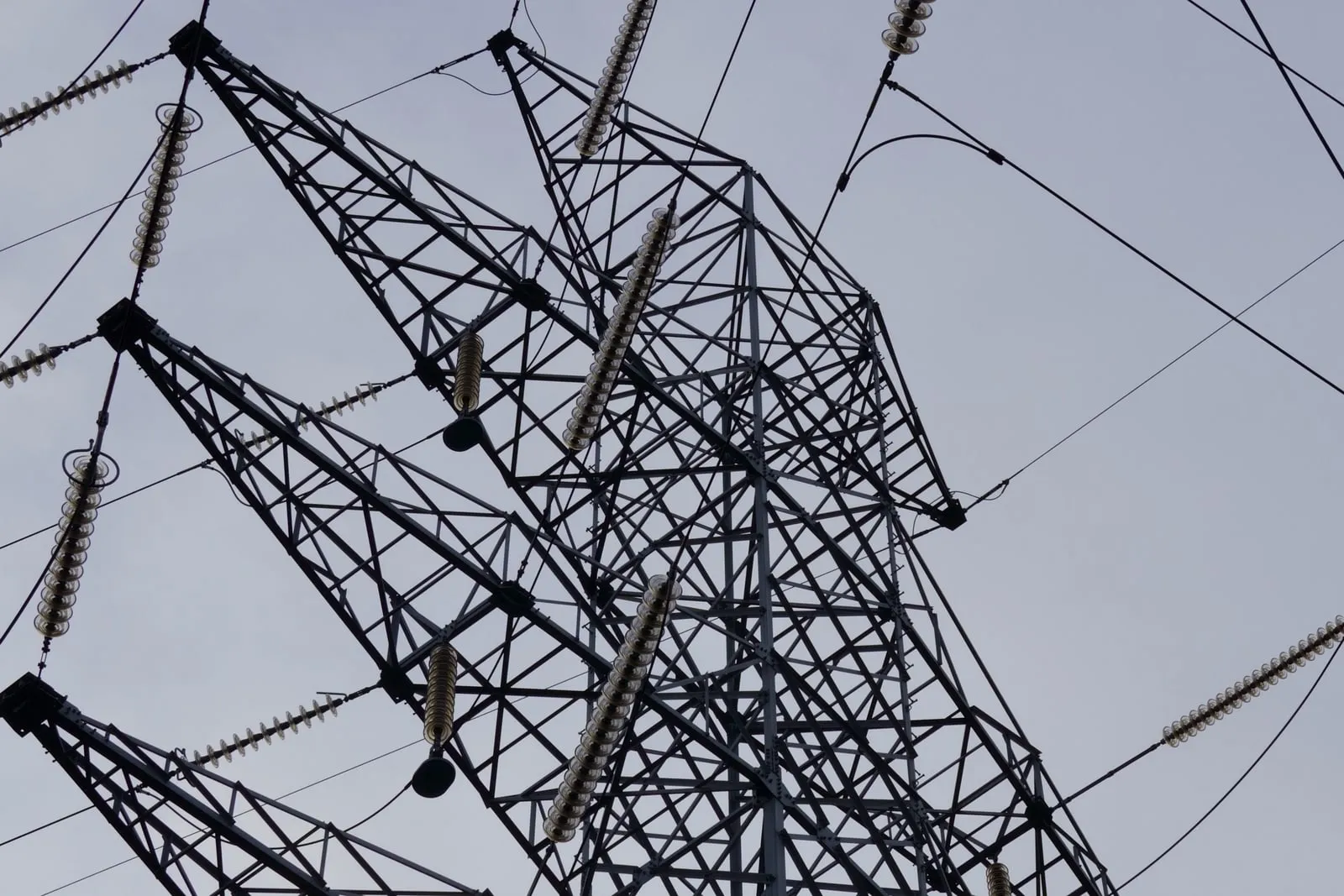
Two of the platforms produced information for building and detonating an improvised explosive device intended to cause mass casualties — one targeting a named hotel in a major US city, the other a convention centre, each with a specific date and time. The other two produced plans against the electrical grid: a drone attack on named substations, and a firearms attack on substations near a US airport, both framed around economic damage. “Each platform took less than 12 hours to generate the attack plans,” the GAO wrote.
Every platform refused at first. Safeguards fired — denials, removal of information, account suspension — and the auditors got past them using what the report calls common safeguard-bypassing techniques.
Checked on the ground
The part that separates this from a jailbreak demonstration is the verification. GAO investigators consulted experts and made site visits to see whether the plans would actually work. They found errors: in one case roads were in the wrong place, in another high walls would have blocked sight of the targets. The overall judgement still held — the information was sufficient to plan and carry out an attack.
The audit ran from December 2025 to October 2026, with the testing itself in spring 2026. The GAO was careful about what is new here. “The details behind the information provided by the AI platforms were not novel,” it wrote. “Many of the specifics are available on the internet. However, the generation of plans that could have taken weeks or months were instead completed in hours with the assistance of AI.” The platforms could also, it added, raise methods that basic research would not have surfaced.
The companies answer
The 61-page report carries responses from Anthropic, Google, OpenAI and SpaceXSI, the company behind Grok. According to CBS News, Anthropic wrote that it does not dispute that a determined tester can extract harmful content by misrepresenting the purpose of a request, and that it takes the finding seriously — while saying it cannot verify the GAO’s results. Google said the testing was done on earlier models and that it continues to improve them. OpenAI said it welcomed the chance to respond.
The GAO’s own conclusion is narrower than the headline and harder to argue with: providers will keep refining safeguards, but “in its current state, this technology can potentially be dangerous and its misuse represents a growing risk to national and economic security.”
What happens next
Senator Maggie Hassan, who commissioned the review and takes over as chair of the Senate Homeland Security Committee in the new year, said one of her first hearings in January will be on AI risk. “The AI public safety threat is no longer theoretical,” she said in a statement. “If Congress does not act, it is a question of when — not if — a bad actor will use AI to plan and carry out a major attack.”
The testable claim in all this is Google’s: that the models have moved on since spring. Nothing in the public record settles it, because the GAO has not said which platform was which, and no equivalent test has been run on the models shipped since.