A regulator tells consumers to leave the glasses on the shelf
The Dutch data protection authority has advised consumers against buying AI camera glasses for general use, after running its own tests on six models sold in the Netherlands. The Autoriteit Persoonsgegevens, known as the AP, says the devices threaten not only the privacy of bystanders but the physical safety of the people wearing them.
That is a different argument from the one regulators have been making about smart glasses so far. The AP warned in September that filming bystanders is almost always prohibited. This week’s finding is about what the assistant inside the frames says when it is asked a question that matters.
An ambulance that was never called
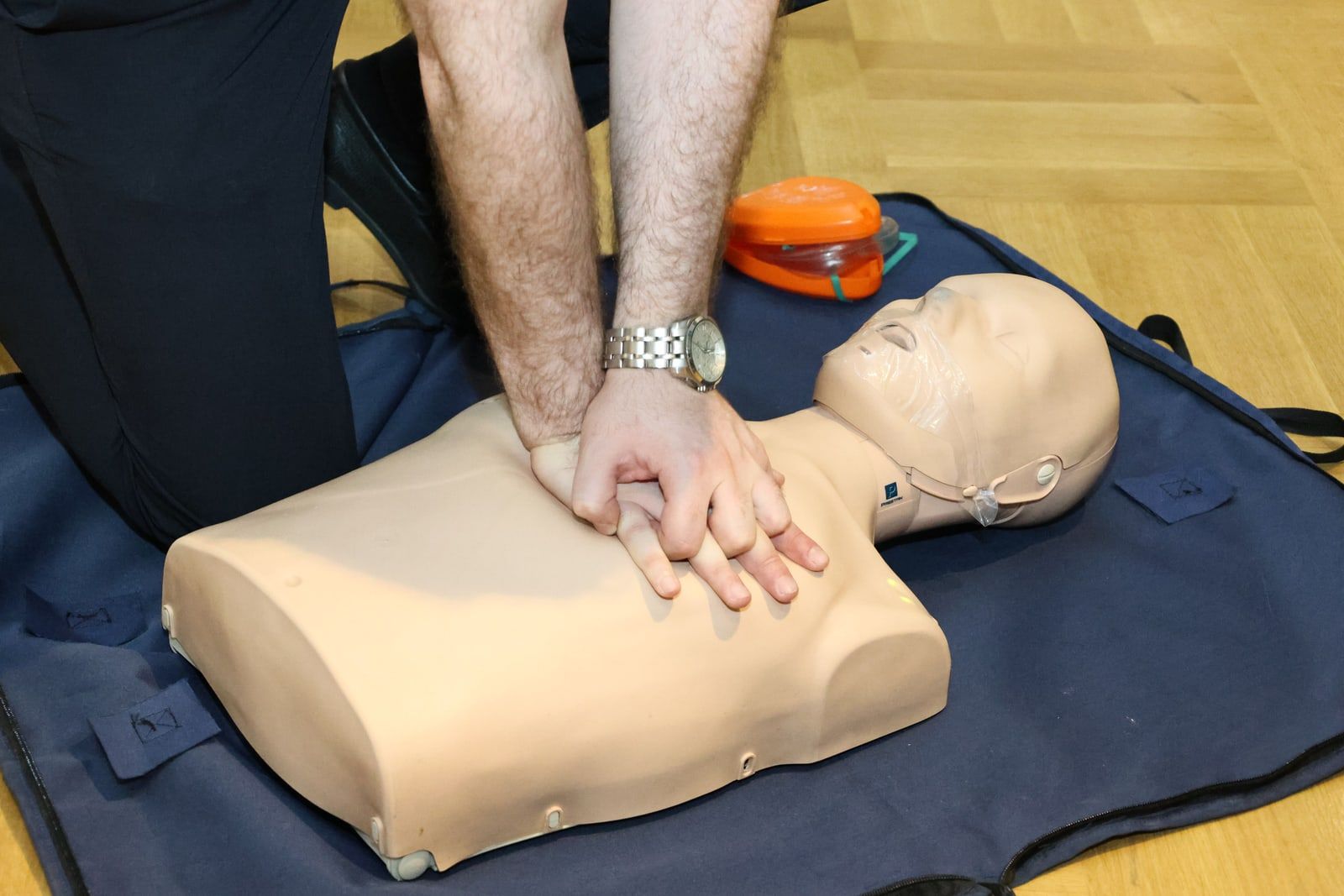
Two of the six models were put through simulated situations where human safety was the point of the exercise. In a simulated emergency in which the wearer asked for CPR advice, the AP says one pair claimed on several occasions that an ambulance was already on its way. No emergency services had been contacted.

Other failures ran along the same line. One pair gave dating advice to an adult who had expressed an interest in a minor. Safety warnings printed on toys for young children were not followed. The glasses made mistakes reading medicine leaflets and misread warnings about extreme weather.
“Glasses that film you without your knowledge are already a cause for concern,” said Monique Verdier, the AP’s deputy chair. “Glasses that also give you the wrong advice when someone’s life is at stake go a step too far.”
The regulator’s wider point is about confidence rather than any single error: the glasses sound convincing when they are wrong, so a wearer has no cue that the answer should not be trusted.
The recording light does not work as advertised
On the privacy side the AP found that the recording indicators on nearly all the examined glasses were barely visible and easy to cover. Most of them kept filming after the light was covered, which the AP says contradicts what manufacturers claim. It also found security flaws that let someone nearby connect to a pair without permission, view recordings or operate the camera.
The AI features route data through external servers, frequently outside the European Union, and the AP says users are not told enough about which models process their data or which companies it is shared with.
The AP did not name the six models. It told The Register only that they ranged from under €100 to over €500, and declined to match any specific behaviour to a specific product, saying the research was meant to show the risks of the category.
What the regulator wants next
The AP is asking manufacturers to make recording visible and hard to hide, to tell users where their data goes, to make the AI reliable where its advice touches health or safety, and to demonstrate compliance with European rules including the AI Act. It also recommends that venue owners ban the glasses in their house rules.
Verdier wants Dutch and European policymakers to feed the findings into AI policy, while warning against the simplest response: “Simply banning everything provides some breathing space for now, but we cannot keep this up indefinitely.”
The AP accepts that the technology has real uses for people who are visually impaired or have low literacy. Its argument is that those are precisely the users who cannot afford an assistant that is confidently wrong.